What We’ve Learned in the Global Placemaking of Four Seasons Hotels
“The reason for our success is no secret. It comes down to one single principle that transcends time and geography, religion and culture. It’s the Golden Rule – the simple idea that if you treat people well, the way you would like to be treated, they will do the same.”
— Isadore Sharp
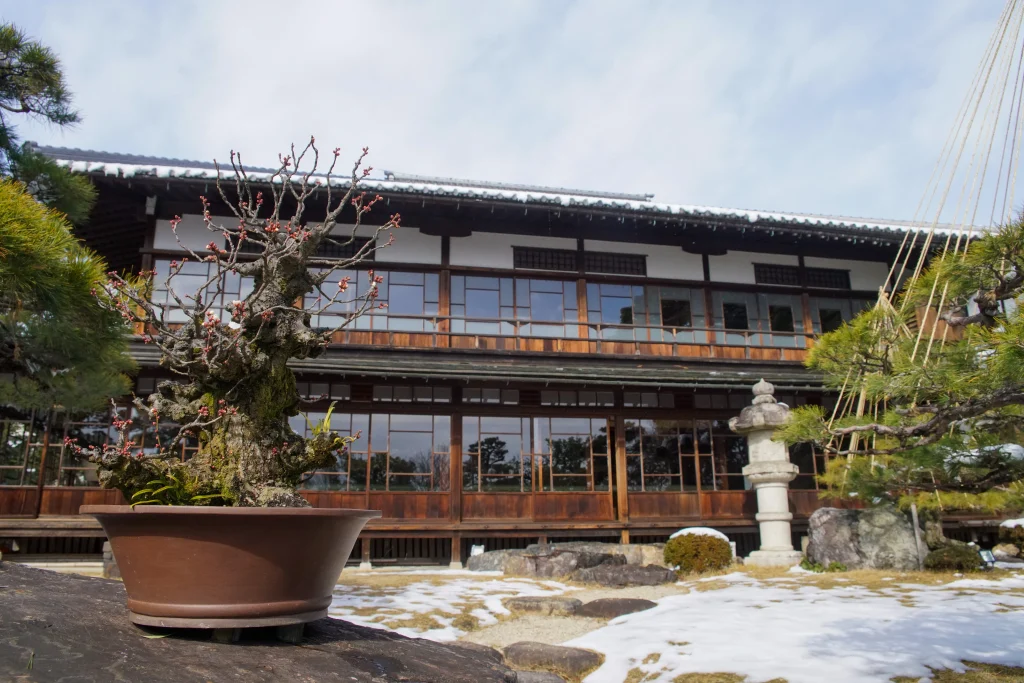
Nestled in the foothills of the Akaishi Mountains range in central Honshū, Japan, shrouded under a ‘kasagumo’, a distinct ring or brim of cloud and mist called a ‘bamboo-hat cloud’ lies the oldest hotel in recorded history. Guinness World Records recognizes it as Nishiyama Onsen Keiunkan in Yamanashi Prefecture. To put that in perspective, it has been in existence, and, more importantly, ‘in service’, from 705 AD to today, 2026 – 1,321 years, offering a traditional ‘Ryokan’ (cultural lodging, seasonal multi-course dining and hot spring bathing) experience.
You might find this time-immemorial remarkable and rare anywhere, but Japan has more century-old businesses, termed ‘shinise’ (in English, ‘old shop’), than any other country. This extraordinary longevity is driven by unique cultural, historical and, most importantly, philosophical preservation of tradition. The bedrock that sustains such business legacies is defined less by trends, fads and predilection of fancy than by enduring human traits such as persistence, resilience, loyalty, trust, humility, respect and modesty as a way of life. But the most important sensibility that truly defines the perspective of hospitality is being ‘in service’, or what the Japanese elegantly describe as ‘omotenashi’: deep, heartfelt hospitality that anticipates a guest’s every need without expecting anything in return.
The throughline from Nishiyama Onsen Keiunkan to the Four Seasons Hotel, and, more importantly, the philosophical link across continents that tied Canadian hotelier and philanthropist Isadore Sharp, founder and chairman of Four Seasons Hotels and Resorts, to Japan’s sensibilities, is worth noting. It might help explain the enduring quality of one of the world’s most successful luxury hotel brands and our rare 17-year association, which helped a humble downtown Toronto design firm achieve global status.
“Courteous treatment will make a customer a walking advertisement.”
– James Cash Penney
It wasn’t until I read Isadore Sharp’s memoir, ‘Four Seasons: The Story of a Business Philosophy’, that this cultural connection began to make sense. Isadore Sharp’s reverence and respect for Japan wasn’t just cultural admiration; it was recognition of the paths a business entrepreneur could choose. One rooted in humility, the other defined by hubris. Either choice could sustain industry tropes or revolutionize its approach. Hubris at its worst can be hierarchical and ostentatious, as journalist Joan Didion said: “Of course great hotels have always been social ideas, flawless mirrors to the particular societies they service.”
Humility and a reverence for humanism could remove operational hubris by returning to what Isadore Sharp called “the Golden Rule.” A simple yet elegant perspective on the human condition: “treating others the way you wish to be treated.” A service ethos consistently and uniformly practiced publicly from the founder CEO to the custodian as a one-voice, one-attitude approach. This is a mutually expressive ideal bound by a Japanese ethos called ‘Omoiyari’ described as the Japanese virtue of anticipating what another person needs and quietly acting on it, often before they ask. It literally means “sending your thoughts toward” someone, from omoi (thought, feeling) and yaru (to send).
“True hospitality consists of giving the best of yourself to your guests.” – Eleanor Roosevelt
Restraint, discretion and invisible presence. Principles (beyond form and function) we’ve adopted in our philosophical approach to design. We call it “respectful prominence” (objects of design being there when you need them and out of sight when you don’t). It avoids visual pollution, finds the elusive existential factors of a sense of space and pride of place, and illustrates the journey narrative in a way that is distinctively and authentically local.
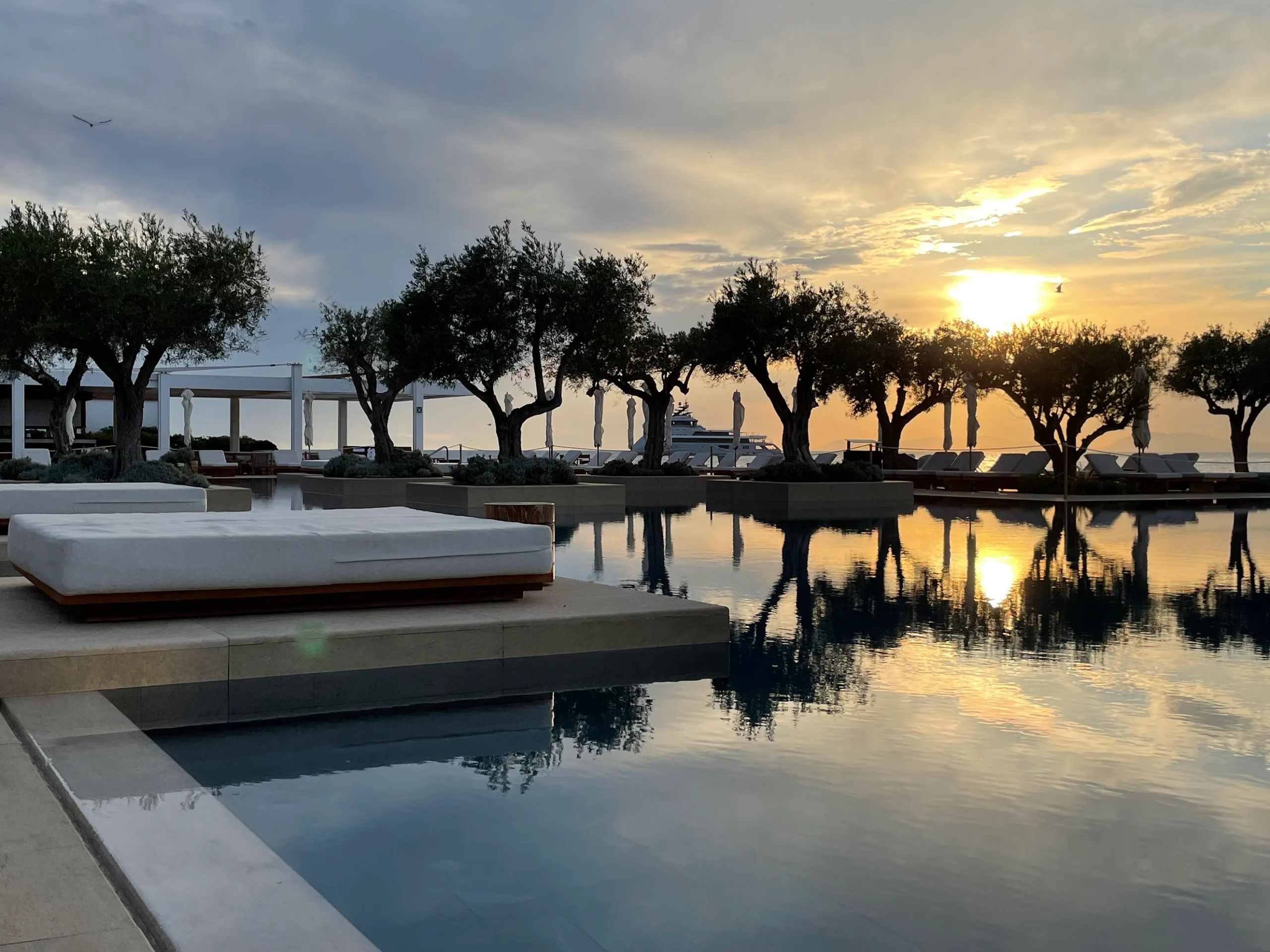
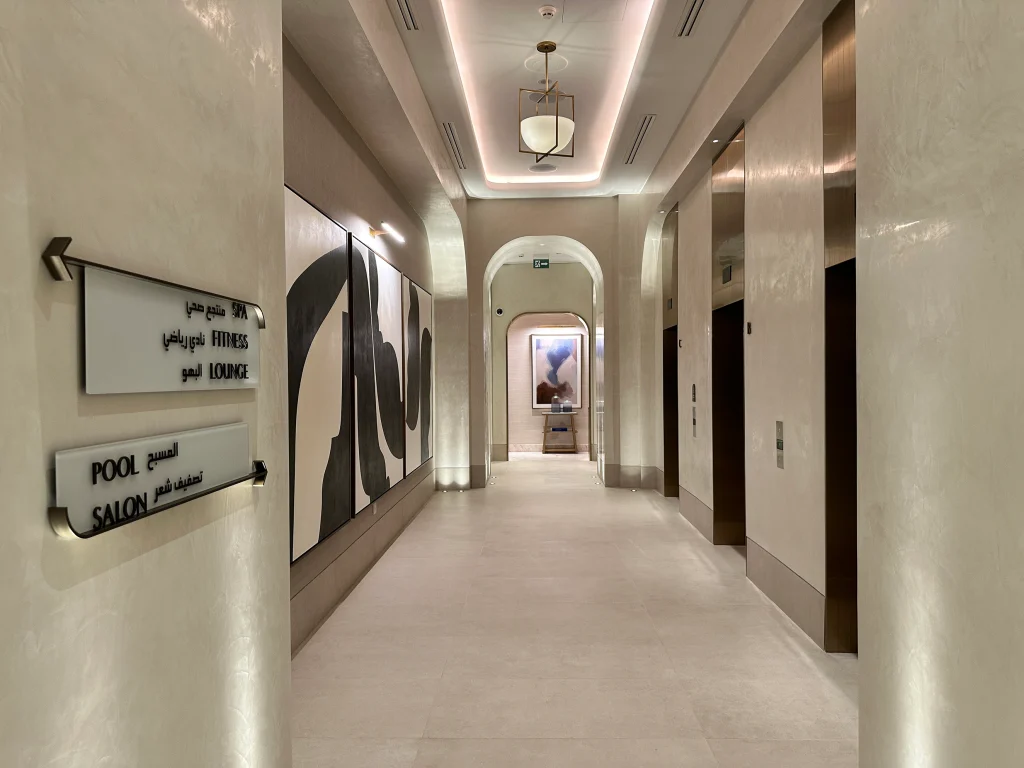
Four Seasons operates more than 130 hotels and resorts worldwide. We’ve had the privilege of defining (through wayfinding signage and placemaking master planning) nine locations across four countries. From Toronto, Athens, Maui, Lanai, Boston, New Orleans, Philadelphia (Comcast), Doha (The Pearl) and Khobar. Each location tells a unique story defined by place distinction.
“When you get into a hotel room, you lock the door, and you know there is secrecy, there is a luxury, there is fantasy. There is comfort. There is reassurance.”
— Diane Von Fürstenberg
The greatest complement to any hotel lies in the feeling it evokes when you arrive and the enduring memories you leave with, especially the desire to return. No matter how much we enjoy moments of respite, we know they’re never permanent; but by catering to impermanence, to the idea that every moment matters, every nuance is considered, and that time bends to comfort and understanding, we keep dwelling in the sense of belonging that remains the fundamental goal of hospitality. In essence, from a designer’s point of view, the fundamental question we need to ask ourselves is: what story does each place want to tell? How does this story resonate with the consciousness of the visitor even before they arrive? What would be the journey narrative within place? How can we express the ordinary in extraordinary ways? And what memories do we hope they leave with, yearning to return?
Each engagement with a Four Seasons Hotel reminds us that we are, in essence, in the ‘Feeling Business’: people buy less for products and services than for the perception of what those products, services, and brands provide, and nuance matters.

Four Seasons Hotels is not just a client; they have been partners, teachers, friends and mentors who helped us grow as a business. As we celebrate Four Seasons Hotels and Resorts’ 65th anniversary, we thank Isadore Sharp and Alejandro Reynal for allowing Forge Media + Design to be a small part of this remarkable story.
_____________________________________________________________
By Keith Francis, Senior Associate, Human Factors, Forge Media + Design